Few technological developments have sparked as much debate in the creative industries as artificial intelligence. In cinema, AI is often discussed in extremes: some see it as a revolutionary tool that democratizes filmmaking, while others fear it threatens artistic authenticity and the very notion of authorship. Questions about originality, ethics, and creative ownership continue to dominate conversations among filmmakers and audiences alike.
Yet perhaps the most important question is not whether artificial intelligence will replace human creativity, but how it can expand it.
Cinema has always evolved alongside technology. Sound, color, digital cameras, computer-generated imagery, and virtual production were all once viewed with skepticism. Today, they are simply part of the filmmaker’s toolkit. Artificial intelligence may represent the next chapter in that ongoing evolution—not as a replacement for human storytellers, but as another instrument through which they express their ideas.
After all, technology has never been the source of great stories. People are.
Cinema Has Always Been Technological
The history of filmmaking is, in many ways, a history of technological innovation. Every major advancement has changed how stories are created and experienced.
When sound was introduced to silent films, many believed it would diminish the artistic beauty of visual storytelling. Digital filmmaking faced criticism for lacking the texture and authenticity of traditional film stock. Computer-generated imagery was once dismissed as artificial spectacle.
Yet filmmakers consistently demonstrated that technology itself is neutral. Its creative value depends entirely on how it is used.
Artificial intelligence is no different. It does not possess human experiences, emotions, or memories. It cannot independently understand grief, love, loneliness, or hope. What it can do is assist creators in transforming their ideas into compelling visual narratives.
Cinema remains a fundamentally human art form because stories originate from human experience.
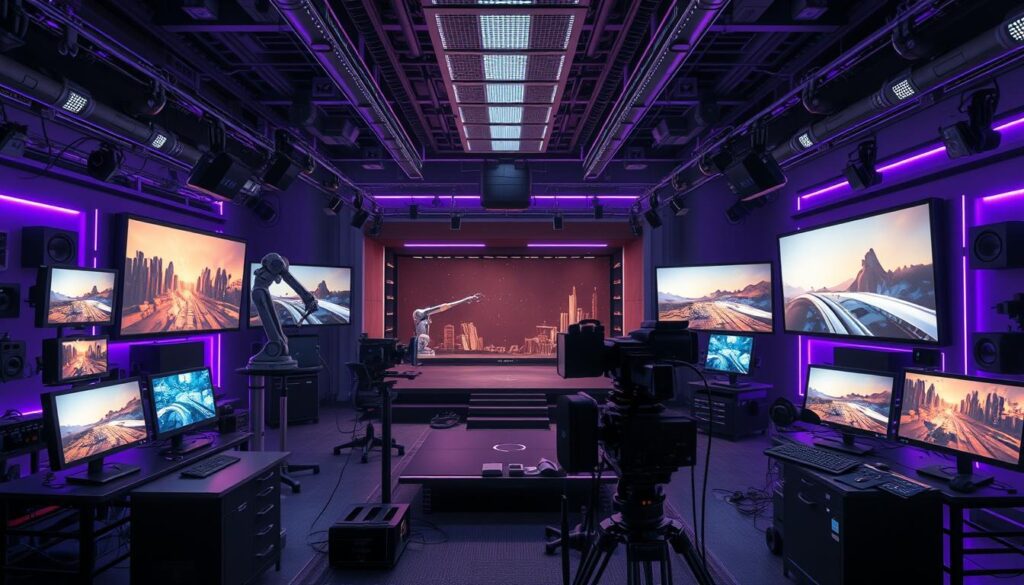
AI as a Creative Tool for Independent Filmmakers
One of the most promising aspects of artificial intelligence is its potential to democratize filmmaking. Independent creators often face significant limitations related to budgets, equipment, and production resources.
AI-powered tools are increasingly helping filmmakers:
- Generate visual concepts and storyboards.
- Experiment with editing techniques.
- Create animatics and pre-visualizations.
- Improve sound design and audio restoration.
- Translate subtitles for international audiences.
- Develop visual effects on smaller budgets.
- Explore new forms of experimental storytelling.
These capabilities are particularly valuable in short-form and independent cinema, where creators are frequently required to perform multiple production roles themselves.
Artificial intelligence can reduce technical barriers without diminishing artistic ambition.
For emerging filmmakers, access to creative tools often determines whether a story gets told at all. In this context, AI can function as an enabler rather than a replacement.
The Question of Authorship
Critics of AI-generated content often raise legitimate concerns regarding artistic ownership and originality. If a machine assists in creating visual elements or editing sequences, who is the author of the final work?
The answer may be more nuanced than the debate often suggests.
Cinema has never been the product of a single individual. Even the most celebrated directors rely on collaborative teams of writers, cinematographers, editors, composers, production designers, and performers. Filmmaking is inherently collective.
Artificial intelligence introduces another layer of collaboration—one that remains entirely dependent on human intention.
A filmmaker still decides:
- Which story deserves to be told.
- What emotions should be conveyed.
- How characters are represented.
- Which visual language best supports the narrative.
- What artistic choices ultimately shape the finished work.
AI can assist in execution, but it cannot replace human perspective. The emotional and ethical dimensions of storytelling remain firmly in the hands of creators.
Authorship is not defined solely by who operates the tools. It is defined by creative vision.
Human Experience Cannot Be Automated
Cinema resonates with audiences because it reflects authentic human experiences. Viewers connect with stories that feel emotionally truthful—even when they are fictional.
Artificial intelligence does not possess lived experience. It cannot experience childhood memories, cultural identity, personal loss, or creative vulnerability.
Human storytellers bring to cinema:
- Empathy.
- Cultural perspectives.
- Emotional intelligence.
- Ethical judgment.
- Personal imagination.
- Individual artistic voice.
These qualities cannot be automated.
The role of AI should therefore be understood as complementary rather than competitive. A tool may help construct the image, but it is the filmmaker who gives that image meaning.
Technology can imitate aesthetics. It cannot replicate human experience.
New Possibilities for Storytelling
Perhaps the most exciting aspect of artificial intelligence is its potential to inspire entirely new forms of cinematic expression.
Independent filmmakers are already exploring innovative approaches that combine traditional storytelling with emerging technologies. AI can support:
Experimental Narratives
Creators can visualize abstract concepts, memories, and dream-like sequences in ways that were previously inaccessible without substantial budgets.
Interactive Cinema
Artificial intelligence may contribute to more adaptive and personalized storytelling experiences, particularly in experimental and immersive projects.
Inclusive Filmmaking
AI-assisted tools can improve accessibility by simplifying subtitle generation, audio descriptions, and multilingual adaptations, helping films reach wider global audiences.
Creative Exploration
Filmmakers can rapidly prototype ideas and experiment with visual styles before committing resources to production.
These possibilities do not diminish artistic integrity. On the contrary, they may encourage greater creative experimentation—particularly within short films and independent cinema.
Ethical Challenges Must Be Addressed
The conversation surrounding artificial intelligence in filmmaking cannot ignore ethical considerations.
Responsible discussions must address issues such as:
- Intellectual property and copyright.
- Transparency in AI-assisted productions.
- Consent regarding the use of artistic styles or performances.
- Fair compensation for creative professionals.
- The preservation of authentic artistic expression.
Technological innovation should never come at the expense of creators whose work has shaped cinematic culture.
The future of AI in cinema will depend not only on what technology makes possible but also on the ethical frameworks filmmakers and industries establish.
Creative freedom must coexist with creative responsibility.
Cinema Will Always Need Human Stories
Throughout its history, cinema has continually adapted to changing technologies while remaining rooted in something timeless: the human desire to tell stories.
Audiences do not fall in love with films because they are technologically impressive. They connect with characters, emotions, and ideas that resonate with their own lives.
No matter how sophisticated artificial intelligence becomes, it cannot replace the experiences that inspire meaningful storytelling. It cannot understand what it feels like to leave home for the first time, mourn a loved one, or pursue a lifelong dream.
Those experiences belong to people.
AI may change how films are made, but it cannot change why they are made.
Threat or Opportunity?
Artificial intelligence is neither the savior nor the enemy of cinema. It is a tool—one whose value depends entirely on the imagination, ethics, and intentions of the people who use it.
For independent filmmakers, AI offers exciting opportunities to experiment, overcome creative limitations, and bring ambitious ideas to life. For the broader film industry, it presents important questions about authorship, originality, and responsibility.
The future of cinema will not be determined by machines. It will continue to be shaped by storytellers willing to explore new possibilities while remaining faithful to what makes cinema meaningful in the first place: human experience.
Technology may evolve endlessly. Human stories remain irreplaceable.