For decades, mainstream cinema has been driven by familiar formulas—predictable story arcs, market-tested genres, and commercial expectations. While blockbuster films continue to entertain millions, some of the most exciting developments in contemporary filmmaking are happening far from major studios and production giants. Independent filmmakers are redefining what cinema can be by embracing creative freedom, challenging conventions, and telling stories that might otherwise remain unheard.
Short films, in particular, have become a playground for innovation. Free from many of the financial and creative constraints that shape large-scale productions, independent creators are experimenting with narrative structures, visual styles, and social themes that are helping to shape the future of cinema itself.
Independent filmmaking is not simply an alternative to mainstream cinema—it is often where tomorrow’s cinematic language is born.
Creativity Without Compromise
One of the greatest strengths of independent cinema is creative freedom. Without the pressure to satisfy massive box office expectations or adhere to established commercial formulas, filmmakers are able to take risks that larger productions frequently avoid.
Independent creators can explore difficult questions, unconventional storytelling techniques, and niche subjects without needing to fit within predetermined categories. They are free to ask:
- What if a film has no dialogue?
- What if the protagonist never appears on screen?
- What if a documentary blends animation with reality?
- What if an entire story unfolds in a single room—or a single shot?
- What if cinema can become an interactive or immersive experience?
These creative decisions are often impossible within traditional studio systems, where financial investment naturally encourages safer choices.
Freedom allows filmmakers to prioritize artistic vision over commercial expectations—and audiences are increasingly embracing that authenticity.

Short Films as a Laboratory for Innovation
Short-form cinema offers independent filmmakers a unique advantage: experimentation comes at a lower cost and greater creative flexibility.
Producing a feature film requires significant resources, larger crews, and substantial financial investment. Short films, by contrast, allow creators to test bold ideas and push artistic boundaries without compromising their vision.
Many groundbreaking cinematic techniques have emerged through independent short films before influencing mainstream productions.
Short films encourage filmmakers to experiment with:
- Non-linear narratives.
- Hybrid genres that combine documentary and fiction.
- Innovative cinematography and editing styles.
- Minimalist storytelling techniques.
- Immersive sound design.
- Socially engaged and culturally specific themes.
Because the format demands precision and creativity, every artistic choice becomes more intentional.
Independent short films have become a creative laboratory where new cinematic languages are constantly being developed.
Giving Voice to Untold Stories
Mainstream cinema often prioritizes stories that appeal to the broadest possible audience. Independent filmmakers, however, frequently focus on perspectives that have historically received less attention.
Their films explore experiences shaped by culture, identity, migration, disability, social change, mental health, and countless other aspects of human life that deserve representation.
Independent cinema gives space to:
- Emerging voices from underrepresented communities.
- Local stories with global relevance.
- Personal narratives that challenge stereotypes.
- Social issues presented through intimate human experiences.
- Cultural traditions and contemporary realities rarely depicted on screen.
By expanding the range of stories being told, independent filmmakers contribute to a richer and more inclusive cinematic landscape.
The future of cinema depends not only on technological innovation but also on whose stories are given the opportunity to be seen and heard.
Innovation Often Begins Outside the Mainstream
Many cinematic trends that later become mainstream first emerge within independent filmmaking communities. Creative risks that initially seem unconventional frequently inspire broader industry changes.
Independent filmmakers are often the first to embrace:
New Technologies
Advancements in digital cameras, virtual production, mobile filmmaking, and artificial intelligence have significantly lowered barriers to entry for creators worldwide.
Filmmakers no longer need enormous budgets to produce visually compelling work. Access to professional tools has become more democratic, empowering artists from diverse backgrounds to share their perspectives.
Experimental Narratives
Independent cinema continuously challenges traditional storytelling structures. Films may unfold through fragmented memories, multiple perspectives, or entirely visual narratives that invite audiences to actively interpret meaning.
Alternative Distribution Models
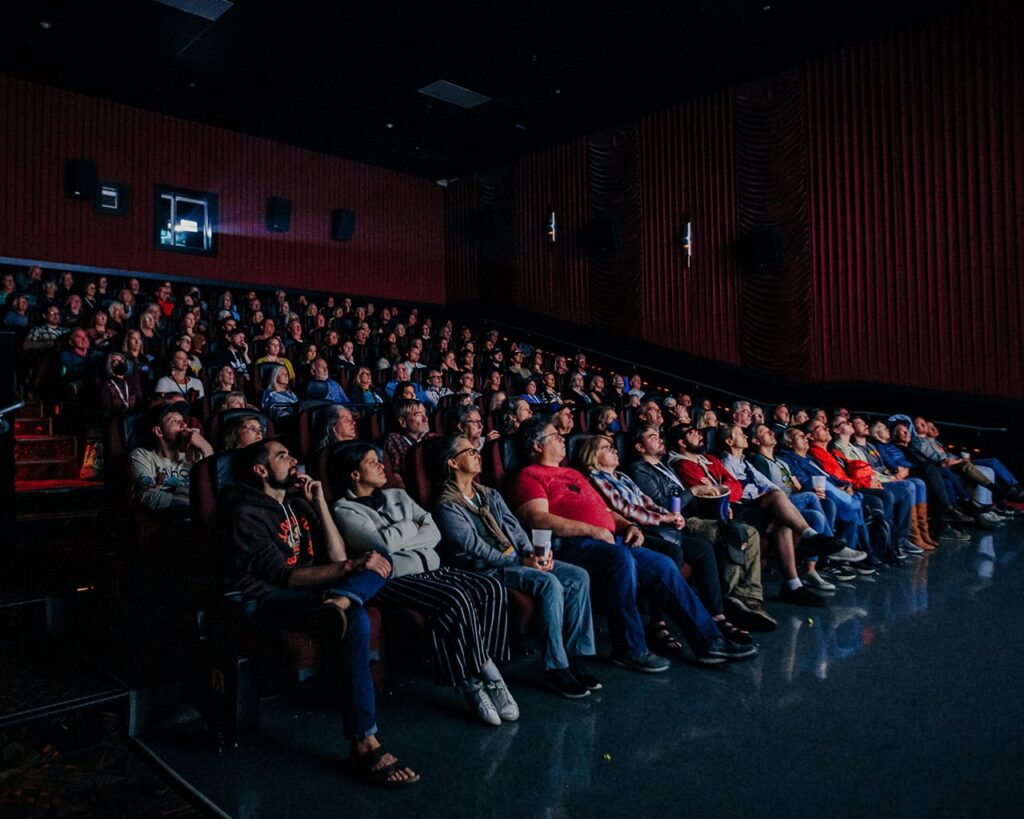
Digital platforms and international film festivals have transformed how audiences discover independent work. Filmmakers can now reach viewers across continents without relying exclusively on traditional theatrical distribution.
These developments are changing not only how films are made but also how they are experienced.
Creative Freedom Encourages Cultural Dialogue
Independent filmmaking is inherently global. Creators from different countries and cultures bring unique artistic influences that contribute to a constantly evolving cinematic conversation.
A short film produced in Seoul may inspire visual techniques adopted by filmmakers in Europe. A documentary from Latin America can influence narrative approaches in North America. Cultural exchange has become one of the defining characteristics of contemporary independent cinema.
Because independent filmmakers are not constrained by rigid industry expectations, they are often more willing to explore universal themes through culturally specific perspectives.
This openness enriches both local and international audiences.
Cinema becomes more dynamic when it welcomes diverse voices and unconventional ideas.
The Challenges of Independence
Creative freedom does not come without obstacles. Independent filmmakers frequently face limited budgets, smaller production teams, and significant challenges in securing funding and distribution opportunities.
Yet these limitations often become sources of creativity.
Resource constraints encourage innovative problem-solving and force filmmakers to focus on what matters most—the story itself. Many independent productions achieve remarkable emotional and artistic impact through simplicity rather than spectacle.
Audiences increasingly appreciate authenticity over production scale. A compelling story told honestly will always resonate more deeply than visual extravagance without emotional substance.
Independent cinema demonstrates that artistic value cannot be measured solely by budget size.
Shaping the Future of Cinema
The future of filmmaking will not be determined exclusively by technological advancements or commercial success. It will be shaped by creators who are willing to experiment, challenge conventions, and imagine new possibilities for storytelling.
Independent filmmakers play an essential role in this evolution. Their willingness to explore unconventional ideas expands our understanding of what cinema can accomplish as an artistic medium.
They remind us that cinema is not a fixed formula but an ever-changing form of human expression.
Every new generation of filmmakers brings fresh perspectives, technologies, and cultural experiences that influence the industry as a whole. Today’s experimental short film may become tomorrow’s cinematic standard.
Freedom Creates Innovation
Independent cinema thrives precisely because it is not bound by expectations. Its greatest strength lies in its ability to take creative risks and embrace uncertainty.
When filmmakers are free to tell stories on their own terms, audiences are introduced to ideas, emotions, and perspectives that challenge and inspire them. Innovation flourishes where artistic freedom exists.
The future of cinema is not being built solely in major studios or on blockbuster sets. It is also being shaped in small production spaces, film festival screenings, and independent projects created by storytellers who dare to think differently.
And more often than not, that future begins with a short film and a filmmaker willing to break the rules.