Over the past two decades, South Korea has transformed from a regional cultural powerhouse into one of the most influential creative forces in global cinema. Korean films and television series have captivated international audiences not only because of their production quality but because of their fearless approach to storytelling. They seamlessly combine artistic ambition with emotional authenticity, social commentary with entertainment, and local experiences with universal themes.
Today, filmmakers from around the world are looking to Seoul—not simply as a filming location or cultural trend, but as a creative ecosystem where innovation thrives. The city has become a meeting point for emerging talent, independent creators, and experimental storytellers who are helping redefine what contemporary cinema can be.
Seoul is more than a backdrop for modern filmmaking. It is a laboratory of ideas.
The Rise of Korean Cinema on the Global Stage
The global success of Korean cinema did not happen overnight. It is the result of decades of investment in cultural industries, artistic experimentation, and a willingness to challenge conventional storytelling methods.
What distinguishes Korean filmmakers is their ability to balance artistic depth with broad audience appeal. Their works frequently explore complex social issues while remaining emotionally accessible and visually compelling.
Contemporary Korean cinema has demonstrated that films do not need to sacrifice cultural specificity to resonate internationally. In fact, the opposite is often true. The more authentic and personal the story, the more universal its emotional impact becomes.
This approach has inspired creators worldwide to rethink the relationship between local storytelling and global audiences.
Why Seoul Inspires Filmmakers
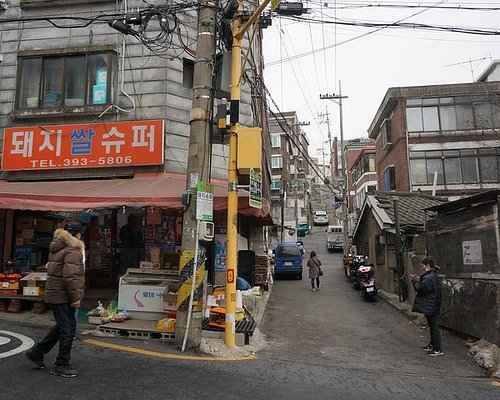
Seoul is a city defined by contrasts. Ancient traditions coexist alongside cutting-edge technology. Quiet residential neighborhoods stand just minutes away from towering skyscrapers and vibrant creative districts. The city’s constant evolution provides filmmakers with endless opportunities for exploration.
For creators, Seoul offers:
- A dynamic urban landscape that visually reflects modern society.
- A thriving independent arts and film community.
- Access to innovative technologies and digital production tools.
- Diverse cultural influences that enrich storytelling.
- International film festivals and creative collaborations.
- Audiences that actively embrace both mainstream and experimental cinema.
These elements have contributed to Seoul’s growing reputation as a hub for cinematic innovation.
The city itself embodies many of the themes contemporary filmmakers seek to explore: identity, change, ambition, connection, and resilience.
Storytelling Without Borders
One of the defining characteristics of Korean cinema is its remarkable ability to communicate across cultural and linguistic boundaries.
Korean filmmakers frequently tackle themes that resonate universally:
- Family relationships.
- Social inequality.
- Generational conflict.
- Personal ambition.
- Mental health and emotional vulnerability.
- Community and belonging.
- The impact of rapid technological and social change.
While these stories are deeply rooted in Korean society, they reflect experiences shared by audiences worldwide.
This balance between cultural authenticity and universal emotional truth has become one of Korean cinema’s greatest strengths. International filmmakers increasingly look to Korean storytelling as an example of how local narratives can achieve global relevance without compromise.
Independent Cinema and Creative Freedom
Seoul’s independent film scene plays a significant role in shaping contemporary cinematic trends. Independent filmmakers continue to experiment with narrative structures, visual language, and socially engaged storytelling in ways that influence broader industry practices.
Short films, in particular, occupy an important place within Korea’s creative landscape. The format allows emerging directors to:
- Explore unconventional ideas.
- Develop distinctive artistic voices.
- Address contemporary social issues.
- Experiment with visual and narrative techniques.
- Engage international audiences through film festivals and digital platforms.
Independent cinema often serves as a creative incubator for future innovations. Many filmmakers who later achieve international recognition begin their careers by producing short-form and experimental works that challenge traditional cinematic conventions.
Seoul’s creative environment encourages precisely this type of artistic exploration.
Innovation Meets Humanity
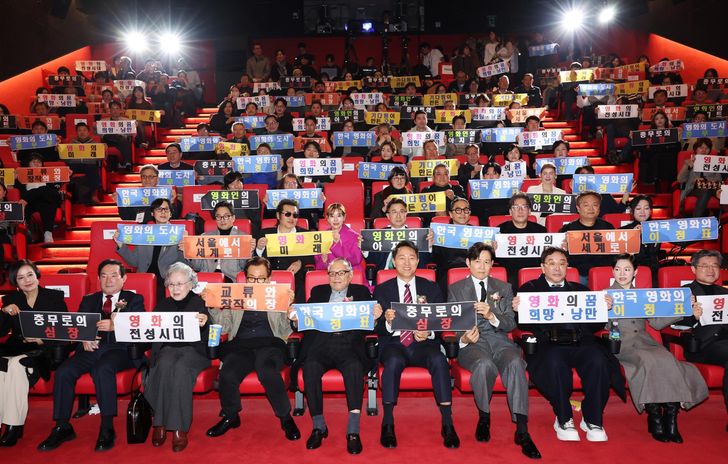
What makes Korean cinema particularly influential is its refusal to separate innovation from emotional storytelling. Technological sophistication and artistic experimentation always remain connected to human experiences.
Korean filmmakers have demonstrated exceptional skill in combining:
- Striking visual aesthetics.
- Complex character development.
- Social commentary.
- Genre innovation.
- Emotional nuance.
- Narrative precision.
Whether exploring contemporary urban life or deeply personal human experiences, Korean cinema consistently prioritizes emotional authenticity.
This human-centered approach has become increasingly important in today’s global film industry, where audiences seek meaningful stories alongside technical excellence.
Seoul as a Global Meeting Point
Modern filmmaking is increasingly collaborative and international. Film festivals, cultural exchanges, and digital platforms have made creative communities more interconnected than ever before.
Seoul has emerged as an important destination within this global network. The city’s creative ecosystem attracts:
- Independent filmmakers.
- Emerging directors.
- Visual artists.
- Producers and festival organizers.
- Students and aspiring storytellers.
- International audiences interested in contemporary cinema.
These interactions foster creative dialogue that extends far beyond national borders.
Global filmmakers are not merely adopting Korean cinematic techniques—they are engaging with the ideas, artistic philosophies, and storytelling approaches that have made Korean cinema so influential.
The Future of Korean Storytelling
The influence of Korean cinema continues to expand precisely because it remains committed to innovation. Rather than repeating successful formulas, Korean creators consistently explore new perspectives and creative possibilities.
Several trends suggest that Seoul will remain an important center for contemporary filmmaking:
- Continued support for independent and emerging talent.
- Growing international collaborations.
- Increasing experimentation with digital technologies.
- Greater emphasis on diverse and inclusive storytelling.
- Strong connections between cinema, visual arts, and cultural industries.
Perhaps most importantly, Korean filmmakers remain deeply invested in telling human stories that resonate beyond cultural boundaries.
Innovation, after all, is most meaningful when it deepens our understanding of one another.
Why the World Is Watching Seoul
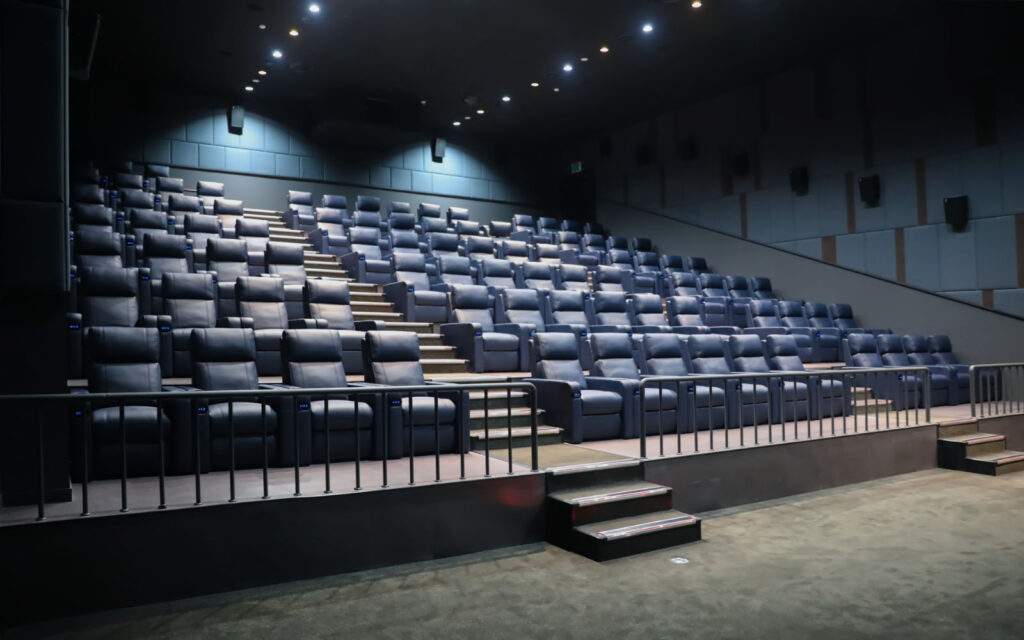
Global filmmakers are paying attention to Seoul not because it offers a blueprint to imitate, but because it demonstrates what contemporary cinema can achieve when creativity is given room to evolve.
The Korean experience illustrates that artistic success is not determined solely by budgets or international trends. It emerges from a commitment to authenticity, experimentation, and emotional honesty.
Seoul has become a hub of new ideas because it embraces both tradition and transformation. It encourages filmmakers to challenge conventions while remaining deeply connected to the human experiences that make cinema meaningful.
In many ways, Seoul represents the future of global storytelling—a place where local voices inspire international conversations and where cinematic innovation continues to push creative boundaries.
The world is watching Korean cinema not because it follows trends, but because it creates them. And increasingly, the next great idea in contemporary filmmaking may begin in Seoul.